
10 Things You Learned From Kindergarden That Will Help You Get Power Tool by Roxana
0 Inscritos en el curso • 0 Curso completadoBiografía
The Ultimate Guide to Power Tools: Choosing and Using the Right Gear for every single Project
Whether taking on a weekend DIY job, constructing customized furnishings, or carrying out a huge home renovation, having the best devices modifications whatever. Power tools have reinvented how we approach building and crafts, turning exhausting manual work into effective, accurate work.
Nevertheless, strolling down the tool aisle or searching online can be frustrating. With numerous brands, voltage alternatives, and specialized gizmos available, understanding where to begin is essential. This extensive guide checks out the vital power tools every DIYer and homeowner should understand, how to choose in between them, and the golden guidelines of security.
Corded vs. Cordless: The Eternal Debate
Before investing in a collection of equipment, purchasers must make a fundamental option concerning power sources: corded or cordless? Both alternatives offer distinct benefits depending on the user's requirements.
| Feature | Corded Power Tools | Cordless Power Tools |
|---|---|---|
| Power Output | Consistent, unrestricted power; perfect for sturdy jobs. | Highly advanced, however power depends on battery capability and voltage. |
| Mobility | Limited by cable length and proximity to electrical outlets. | Ultimate mobility; can be used anywhere, consisting of remote areas. |
| Weight | Normally lighter since there is no heavy battery connected. | A little much heavier due to the battery pack, though modern-day lithium-ion batteries are quite light. |
| Upkeep | Minimal upkeep; plug in and go. | Batteries degrade gradually and need proper charging and storage. |
| Best For | Workshop usage, sturdy demolition, and continuous grinding/sawing. | Quick repairs, outside tasks, overhead work, and movement. |
For a lot of modern DIYers, cordless systems have ended up being the gold standard. Thanks to developments in lithium-ion battery technology, modern-day cordless tools match (and in some cases surpass) the efficiency of their corded predecessors, all while permitting users to share batteries across a whole environment of tools.
The Essential Power Tool Starter Kit
Constructing a tool collection doesn't occur overnight. Rather of buying everything simultaneously, newbies must begin with the core trio that can mistreat 80% of home jobs.
1. The Drill/Driver
If a user can just own one power tool, it needs to be the drill/driver. This flexible gadget manages 2 primary functions: drilling holes into wood, metal, and plastic, and driving screws.
- Secret Feature to Look For: A keyless chuck (generally 3/8-inch or powertoolsonline 1/2-inch) and a clutch, which avoids removing screws by stopping the rotation when a particular torque level is reached.
2. The Circular Saw
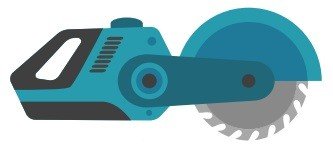
When it comes to cutting wood, sheets of plywood, or MDF down to size, the circular saw is the undeniable king of speed and performance. It is portable, effective, and efficient in straight crosscuts and rip cuts.
- Key Feature to Look For: Blade size (7-1/4 inches is the requirement for full-sized cuts) and a dependable depth-adjustment lever.
3. The Orbital Sander
Hand sanding bores and stressful. A random orbital sander uses a spinning and wobbling motion to rapidly smooth out rough lumber, remove old paint, and prep surfaces for staining or painting without leaving heavy swirl marks.
- Key Feature to Look For: Variable speed control and a reliable dust-collection canister or vacuum port.
Specialized Tools for Advanced Projects
When the basics are mastered, specialized tools can elevate workmanship to the next level.
- The Miter Saw: Perfect for making exact crosscuts and angled cuts (miter and bevel cuts). It is essential for installing crown molding, baseboards, and structure image frames.
- The Reciprocating Saw (Sawzall): A durable demolition tool. It utilizes a push-pull blade movement to tear through wood, metal, drywall, and pipes throughout remodeling jobs.
- The Oscillating Multi-Tool: Often called the supreme problem-solver, this tool utilizes rapid side-to-side micro-movements. With interchangeable accessories, it can plunge-cut into drywall, scrape up old adhesive, flush-cut door jambs, and sand in tight corners.
Golden Rules of Power Tool Safety
Power tools make work faster, but they demand respect. A short-term lapse in judgment can cause extreme injury. Follow these vital security standards every time you get in the workshop:
- Wear Personal Protective Equipment (PPE): Always wear security glasses to protect against flying debris. Ear defense is vital when utilizing loud tools like circular saws or routers, and a dust mask prevents breathing in harmful great particles.
- Dress for Safety: Avoid loose clothing, dangling jewelry, and long sleeves that might get caught in spinning blades or drill bits. Connect back long hair and eliminate rings or watches.
- Inspect Before You Use: Check power cords for fraying, inspect blades for fractures or missing out on teeth, and ensure safety guards move freely and snap back into location.
- Disconnect When Changing Accessories: Never change a saw blade, router bit, or drill bit while the tool is plugged in or while a battery is attached.
- Protect the Workpiece: Never hold a piece of wood in one hand while cutting or drilling it with the other. Constantly use clamps, a vise, or a workbench to keep the product strongly in place.
Purchasing quality power tools is a financial investment in self-sufficiency and imagination. By understanding the distinctions in between corded and cordless choices, starting with a solid foundation of important tools, and strictly adhering to security guidelines, anyone can change their home and bring ambitious creative visions to life.
Take your time researching, choose credible brands within your spending plan, and always measure twice before you cut!
Regularly Asked Questions (FAQ)
What voltage should I look for in cordless power tools?
For standard home DIY tasks, 12V to 18V/20V Max tools use the very best balance of power and weight. 12V tools are compact and fantastic for tight spaces, while 18V/20V tools are the industry standard for much heavier work and longer runtimes. Durable construction professionals frequently utilize 36V or 60V systems, which are usually overkill for basic home tasks.
How do I correctly keep my power tool batteries?
To make the most of battery life expectancy, prevent saving them in severe temperature levels (like a freezing garage or a hot automobile in summer season). Do not let lithium-ion batteries drain pipes totally to 0% on a routine basis; charge them when you see a drop in performance. If saving tools for the winter season, keep batteries at roughly a 50% charge in a climate-controlled space.
Are brushless motors worth the extra expense?
Yes, definitely. Brushless motors utilize magnets to generate power rather than physical carbon brushes. This develops less friction, leading to tools that run cooler, last longer, offer more torque, and squeeze considerably more runtime out of every battery charge.
https://www.powertoolsonline.uk/